Why emission-free projects work in presentations but fail in real logistics
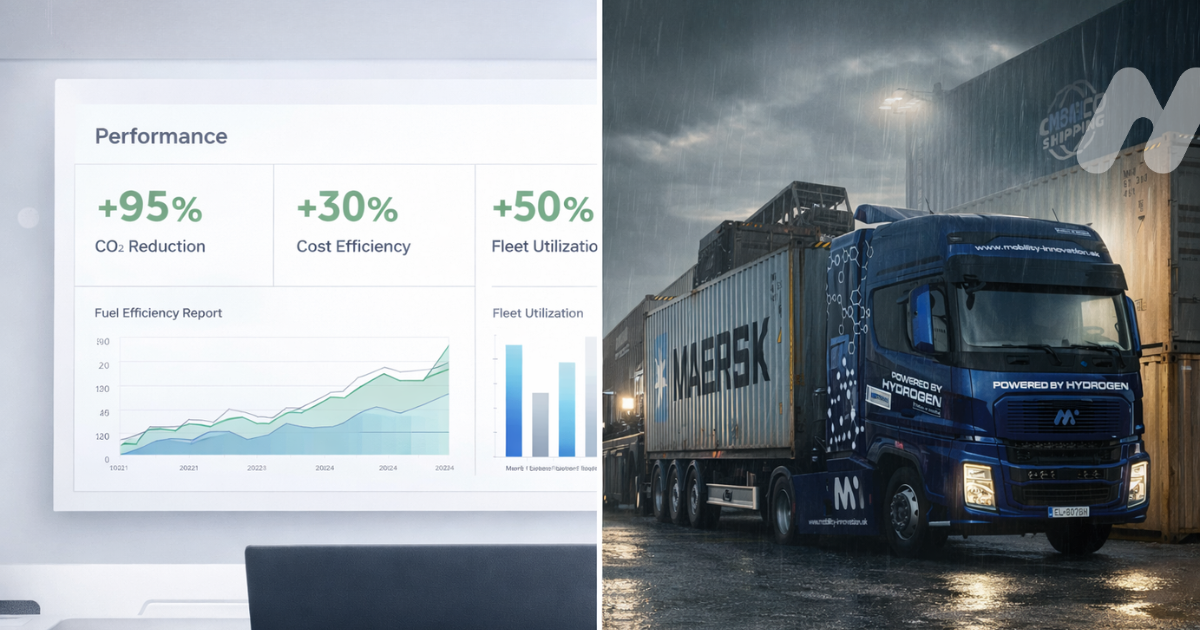
Everything works on the presentations.
The range fits.
The economics work out.
The technology makes sense.
And then comes the real traffic.
And things stop working.
This is where the difference between what looks good on a slide and what works in real logistics comes into play.
Vehicle range.
Drive type.
Charging or refuelling.
Cost.
These are all important factors.
However, these are not the factors that determine the success of a project.
The difference between the model and real operation is crucial.
– stable routes
– predictable vehicle usage
– optimal charging or refuelling
– constant energy consumption
But real logistics doesn’t work like that.
– routes change according to the customer
– traffic fluctuates
– vehicles stand longer or shorter
– energy consumption is not constant
– infrastructure is not always available
And it is precisely in this difference that zero-emission projects fail.
If you are not basing the design of a zero-emission project on real traffic data:
– routes
– downtime
– vehicle utilisation
– energy needs
you make decisions based on a model, not reality.
And in logistics, the model breaks down very quickly.
They start by understanding the realities of operations.
It means to understand:
– how the fleet operates today
– where congestion occurs
– which routes are suitable for zero-emission transport
– how energy consumption varies
Only then does it make sense to choose the technology.
It’s a change of the whole system:
– vehicles
– infrastructure
– energy
– planning
If you only focus on the technology, you are only solving part of the problem.
However, the real operation is always more complex.
Emission-free transport is not a technological change.
It is a systemic change.
And you can’t just design a system in a presentation.
Because they are designed based on ideal models, not real operational data.
What is most important when planning for zero-emission transport?
Understanding of real traffic – routes, vehicle usage and energy needs.
Is technology the most important factor?
No. The whole system – vehicles, infrastructure and operations – is crucial.
Vehicle system integration
Hydrogen tractor MIP in practice
The range fits.
The economics work out.
The technology makes sense.
And then comes the real traffic.
And things stop working.
This is where the difference between what looks good on a slide and what works in real logistics comes into play.
Emission-free transport on paper vs. in reality
When planning emission-free projects, companies naturally focus on technology.Vehicle range.
Drive type.
Charging or refuelling.
Cost.
These are all important factors.
However, these are not the factors that determine the success of a project.
The difference between the model and real operation is crucial.
Why emission-free projects fail in practice
We work with ideal conditions for presentations:– stable routes
– predictable vehicle usage
– optimal charging or refuelling
– constant energy consumption
But real logistics doesn’t work like that.
– routes change according to the customer
– traffic fluctuates
– vehicles stand longer or shorter
– energy consumption is not constant
– infrastructure is not always available
And it is precisely in this difference that zero-emission projects fail.
The biggest mistake in planning for zero-emission transport
The most common mistake is planning based on assumptions.If you are not basing the design of a zero-emission project on real traffic data:
– routes
– downtime
– vehicle utilisation
– energy needs
you make decisions based on a model, not reality.
And in logistics, the model breaks down very quickly.
Successful zero-emission projects start elsewhere
Successful projects don’t start with technology.They start by understanding the realities of operations.
It means to understand:
– how the fleet operates today
– where congestion occurs
– which routes are suitable for zero-emission transport
– how energy consumption varies
Only then does it make sense to choose the technology.
Carbon-free logistics is a system, not a technology
Emission-free transport is not just about replacing a vehicle.It’s a change of the whole system:
– vehicles
– infrastructure
– energy
– planning
If you only focus on the technology, you are only solving part of the problem.
Conclusion
Some emission-free projects work in presentations because they work with an ideal model.However, the real operation is always more complex.
Emission-free transport is not a technological change.
It is a systemic change.
And you can’t just design a system in a presentation.
FAQ
Why do emission-free projects often fail?Because they are designed based on ideal models, not real operational data.
What is most important when planning for zero-emission transport?
Understanding of real traffic – routes, vehicle usage and energy needs.
Is technology the most important factor?
No. The whole system – vehicles, infrastructure and operations – is crucial.
Read also
Fleet Architecture 2030Vehicle system integration
Hydrogen tractor MIP in practice
