Technické rozhodovanie v MIP: keď neexistuje správna odpoveď
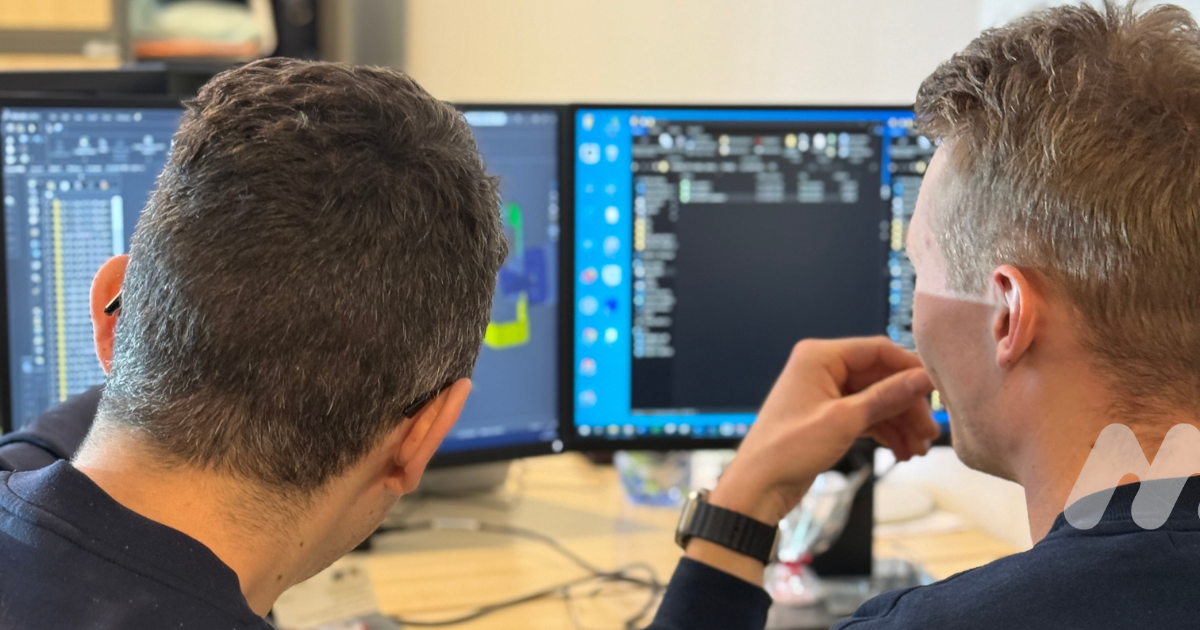
In a technical world, it would be easy to believe that every question has one right answer. But the reality of developing emission-free propulsion systems is different. Especially when the technology does not yet have established standards and each solution is being developed as a bespoke drive.
This is where the technical decision-making in Mobility & Innovation Production begins. Not as a one-off verdict, but as a process in which facts, risks and future operations are weighed – often without there being a “right answer”.
That is why in MIP we ask questions that cannot be solved by a single calculation:
– How will the system behave in real operation?
– What happens after five years of use?
– Which solution will reduce the risk to the client, not just the cost on paper?
Thus, technical decision-making does not start with the component, but with understanding the context of use.
A typical course includes:
– analysis of operational needs,
– design of several technical concepts,
– simulations and calculations,
– discussion of trade-offs,
– testing in real conditions.
Each step narrows the field of possibilities until you are left with a solution that makes sense as a whole – both technically and operationally.
That’s why at MIP we don’t try to avoid compromise. On the contrary, we make them consciously. Every technical decision must have a clear answer to the question: what is gained and what is sacrificed.
It is this transparency that makes the difference between a solution that works in presentation and one that works in operation.
– different type of transport,
– different daily routes,
– different operating conditions,
– different client expectations.
The same drive can therefore be a great solution in one case and a dead end in another. Technical decision-making in MIP therefore never looks for the “best technology”, but for the most appropriate solution for a particular situation.
That is why MIP is not tied to one technology and can integrate hydrogen, electric and hybrid systems.
Technical decision-making in the MIP therefore does not end with homologation. It continues throughout the lifetime of the solution – in the form of modifications, optimizations and further developments.
At Mobility & Innovation Production, we believe that the way we make decisions determines the quality of the outcome. Not speed, not marketing, but an honest process that stands the test of time.
What does iterative process mean in technical decision making?
This is a process where the solution is not proposed in a one-off way, but in a phased approach. The design is tested, evaluated and adjusted on the basis of real input from practice.
Why is the MIP not decided right at the beginning of the project?
Because many of the key inputs will only become apparent during simulation, integration and testing in real-world conditions.
Do compromises mean a poor technical solution?
No. Compromises are a natural part of technical development. The important thing is to make them consciously and with a view to long-term operation.
Why is there not one universally correct answer?
Každý projekt má iný kontext, podmienky a ciele. Riešenie musí vždy vychádzať z konkrétnej situácie, nie z univerzálneho modelu.
Read also:
Prečo výber technológie nie je prvý krok k bezemisnej doprave
What it means to be a mobility system integrator
This is where the technical decision-making in Mobility & Innovation Production begins. Not as a one-off verdict, but as a process in which facts, risks and future operations are weighed – often without there being a “right answer”.
When tables are not enough
When developing vehicles, decisions are not made on the basis of catalogue values alone. Although performance, range and consumption are important, they are not enough on their own.That is why in MIP we ask questions that cannot be solved by a single calculation:
– How will the system behave in real operation?
– What happens after five years of use?
– Which solution will reduce the risk to the client, not just the cost on paper?
Thus, technical decision-making does not start with the component, but with understanding the context of use.
Technical decision-making in MIP as a process, not a verdict
The decision in our country does not arise in a single head at a single moment. On the contrary, it is an iterative process involving developers, system integrators and practitioners.A typical course includes:
– analysis of operational needs,
– design of several technical concepts,
– simulations and calculations,
– discussion of trade-offs,
– testing in real conditions.
Each step narrows the field of possibilities until you are left with a solution that makes sense as a whole – both technically and operationally.
Compromise is not a weakness but a reality
There is no compromise-free solution in zero-emission mobility. More power can mean more weight. More range means more demands on component integration.That’s why at MIP we don’t try to avoid compromise. On the contrary, we make them consciously. Every technical decision must have a clear answer to the question: what is gained and what is sacrificed.
It is this transparency that makes the difference between a solution that works in presentation and one that works in operation.
Why there is no one right answer
Each project has different inputs:– different type of transport,
– different daily routes,
– different operating conditions,
– different client expectations.
The same drive can therefore be a great solution in one case and a dead end in another. Technical decision-making in MIP therefore never looks for the “best technology”, but for the most appropriate solution for a particular situation.
That is why MIP is not tied to one technology and can integrate hydrogen, electric and hybrid systems.
Decisions that have stood up in practice
The experience of developing our own buses and hydrogen tractor has shown that the right decision is often only confirmed after months of testing. It is real data, driver feedback and the vehicle’s behaviour in the field that give the final meaning to decisions.Technical decision-making in the MIP therefore does not end with homologation. It continues throughout the lifetime of the solution – in the form of modifications, optimizations and further developments.
Conclusion
When there is no right answer, responsibility remains. Responsibility for the technical solution, for future operations and for the trust of partners.At Mobility & Innovation Production, we believe that the way we make decisions determines the quality of the outcome. Not speed, not marketing, but an honest process that stands the test of time.
FAQ – Frequently Asked Questions
What does iterative process mean in technical decision making?
This is a process where the solution is not proposed in a one-off way, but in a phased approach. The design is tested, evaluated and adjusted on the basis of real input from practice.
Why is the MIP not decided right at the beginning of the project?
Because many of the key inputs will only become apparent during simulation, integration and testing in real-world conditions.
Do compromises mean a poor technical solution?
No. Compromises are a natural part of technical development. The important thing is to make them consciously and with a view to long-term operation.
Why is there not one universally correct answer?
Každý projekt má iný kontext, podmienky a ciele. Riešenie musí vždy vychádzať z konkrétnej situácie, nie z univerzálneho modelu.
Read also:
Prečo výber technológie nie je prvý krok k bezemisnej doprave
What it means to be a mobility system integrator
